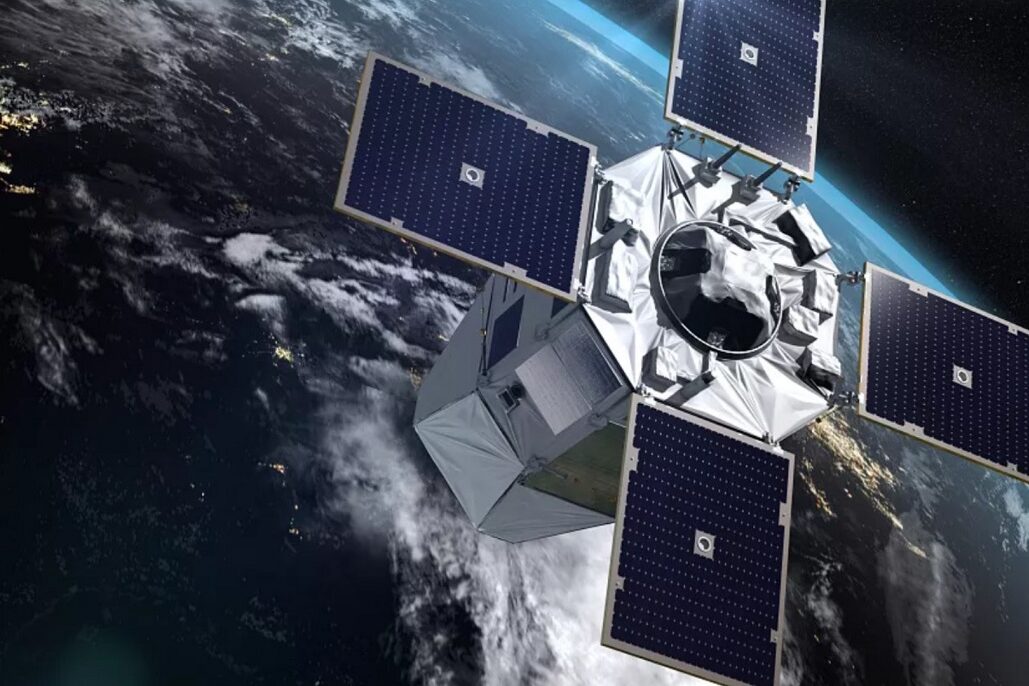
Η Ρωσία φέρεται να προγραμματίζει την εκτόξευση δορυφόρου, ο οποίος θα φέρει πυρηνική κεφαλή, πριν από την ολοκλήρωση του τρέχοντος έτους. Την πληροφορία μεταδίδουν τα δίκτυα WDR και NDR, καθώς και η εφημερίδα «Süddeutsche Zeitung», επικαλούμενα δεδομένα δυτικών μυστικών υπηρεσιών.
Όπως αναφέρουν τα συγκεκριμένα μέσα ενημέρωσης, ορισμένα κράτη-μέλη του ΝΑΤΟ έλαβαν πρόσφατα σχετική ενημέρωση. Παράλληλα, οι γερμανικές Ένοπλες Δυνάμεις έχουν ήδη γνωστοποιήσει τα στοιχεία στον υπουργό Άμυνας, Μπόρις Πιστόριους, και σε άλλα κυβερνητικά στελέχη.
Ο δορυφόρος, που φέρει την ονομασία Sputnik-S, εκτιμάται πως έχει ήδη κατασκευαστεί και αποθηκευτεί πλησίον της Μόσχας εδώ και αρκετά χρόνια. Προειδοποιήσεις υπηρεσιών πληροφοριών προς το ΝΑΤΟ υποδεικνύουν ότι η εκτόξευση ενδέχεται να πραγματοποιηθεί εντός των επόμενων 60 ημερών. Γερμανοί στρατιωτικοί εμπειρογνώμονες προειδοποιούν ότι μια πυρηνική έκρηξη στο διάστημα θα προκαλούσε καταστροφικές ζημιές σε άλλους δορυφόρους.
NEW: According to a new investigation by German broadcasters WDR and NDR, together with Süddeutsche Zeitung (SZ), Russia is reportedly preparing to launch a satellite carrying a nuclear warhead into orbit, potentially as early as December. Western intelligence agencies, including those in Germany, reportedly believe that the satellite, known as Sputnik-S, has already been built and stored in the Moscow region. Intelligence warnings circulated in early November reportedly indicated that a launch could take place within the following 60 days. The German Armed Forces and Federal Intelligence Service (BND) are said to be taking the threat seriously. Military officials have reportedly briefed government representatives, including Defence Minister Boris Pistorius, on the potential consequences. A nuclear detonation in space could have catastrophic consequences for global satellite infrastructure. The resulting radiation could disable or destroy large numbers of satellites, affecting both civilian and military systems. GPS navigation, telecommunications, banking networks, power grids and military communications could all be severely disrupted. US Space Command chief General Stephen Whiting has warned that approximately one-third of all satellites in low Earth orbit could fail within hours or days following such an explosion, with further failures potentially occurring over subsequent months. The US Defense Intelligence Agency also stated in an October assessment that Russia is developing a satellite designed to carry a nuclear weapon. Such a deployment would violate the 1967 Outer Space Treaty, which prohibits placing nuclear weapons or other weapons of mass destruction into Earth’s orbit. Western intelligence agencies have also raised concerns about Russia’s Kosmos-2553 satellite, launched in February 2022, shortly before the full-scale invasion of Ukraine. Although Moscow officially described it as a scientific research satellite, Western intelligence reportedly suspects it may have served as a test platform to study the effects of radiation on satellites and assess spacecraft performance under highly radioactive conditions. The Russian Embassy has rejected the allegations, describing them as unfounded and part of a propaganda campaign, while insisting that Russia’s space activities serve exclusively peaceful purposes. A nuclear explosion in orbit could threaten the satellite infrastructure on which modern societies depend, potentially disrupting essential services across multiple countries simultaneously. Unlike conventional anti-satellite weapons, such an explosion would not necessarily affect only a specific target. Its consequences could extend across entire orbital regions, creating a threat to satellites belonging to numerous countries, including those not involved in any conflict.
— GeoInsider (@InsiderGeo) November 23, 2026
Ο επικεφαλής της Διοίκησης Διαστήματος των ΗΠΑ, στρατηγός Stephen Whiting, εκτιμά ότι περίπου το ένα τρίτο των δορυφόρων σε χαμηλή τροχιά γύρω από τη Γη θα μπορούσε να τεθεί εκτός λειτουργίας μέσα σε ώρες ή ημέρες, με επιπλέον αστοχίες να αναμένονται τους επόμενους μήνες.
Οι επιπτώσεις θα επηρέαζαν κρίσιμες υποδομές, καθώς η πλοήγηση GPS, τα τραπεζικά συστήματα, οι κινητές επικοινωνίες, τα δίκτυα ηλεκτροδότησης και τα στρατιωτικά δίκτυα θα αντιμετώπιζαν πιθανότατα σοβαρές διακοπές.